

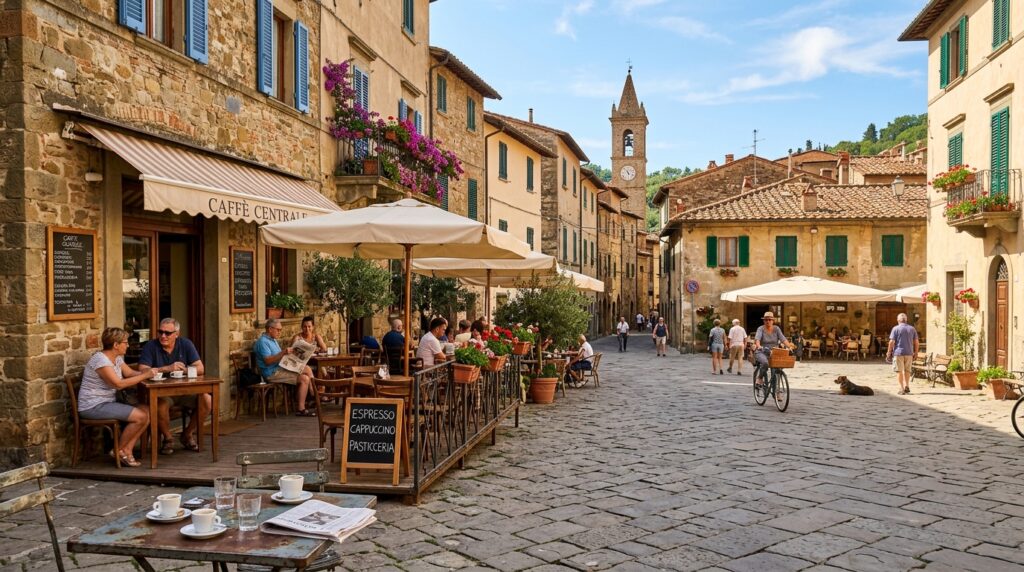
Navigating the Path to European Retirement
Many retirees dream of settling down in a peaceful Mediterranean village or a quaint European town. However, transitioning from being an occasional visitor to a permanent resident involves understanding complex legal requirements that go well beyond typical vacation plans. Grasping the distinctions between short-term visits and formal residency is vital for anyone aspiring to make a permanent move. Misunderstanding these can result in unintentional overstays and significant legal issues. To ensure a smooth transition, consulting professional resources such as European Residency Visa Services may help clarify specific needs.
The difference between visiting and living in Europe isn’t just about convenience; it forms a strict legal divide. While numerous non-EU citizens benefit from visa-free travel for tourism, this provision isn’t meant for those seeking permanent residence. Individuals attempting to use these temporary permissions as permanent solutions often violate local regulations. It’s crucial to recognize that international migration is ruled by intricate policies; the OECD migration reports can offer broader insights into how countries manage foreign demographics.
Understanding Short-Stay Travel and the ETIAS Framework
Short-term visits allow for trips focused on tourism, attending family events, or attending informal business meetings. Passport holders from visa-free countries can enter the Schengen Area without needing a conventional visa, but this remains strictly a visitor status. It does not permit employment, enrollment in long-term educational programs, or establishing permanent residence. Retirees should regard this avenue as a chance to explore various climates and communities before deciding on a final location.
With the advent of new digital travel authorizations, short-term entry has become more efficient. It’s vital to differentiate these authorizations from residency permits; authorizations serve as a preliminary check, confirming travelers meet safety protocols. They don’t extend rights or increase the allowed duration beyond standard protocols. Those exploring educational opportunities during these transitions may benefit from reviewing initiatives in Education for personal growth projects.
The Crucial 90/180-Day Rule
Retirees often stumble over the 90/180-day regulation, which allows non-EU visitors up to 90 days within any rolling 180-day timeframe. Some mistakenly think this means three months in, three months out—when in fact, the “rolling” component continuously reviews past days spent over six months. This complexity often surprises people planning extended stays in their preferred European locales.
With the Entry/Exit System (EES) in place, tracking these days is entirely automated. Authorities maintain a detailed digital record of every border crossing, without depending on manual passport stamps. Consequently, attempts to bypass rules are immediately apparent to officials. For an in-depth look into how digital systems monitor global movement, refer to Schengen Area border management documentation available for educational purposes. Always ensure your records are accurate to avoid accidental breaches.
Transitioning to Long-Stay Residency
If you wish to extend beyond the 90-day threshold, you need to transition to long-stay residency. This entails a country-specific process granting legal rights to reside and access services like healthcare and banking. Unlike uniform short-stay rules, residency requirements differ significantly between nations. For example, residency criteria in Italy won’t match those in France or Spain. Identifying the suitable program is essential, and many retirees find using professional support for Work Visa Work Permit Services Europe UK Canada crucial for navigating these intricate national applications.
Residency pathways for retirees typically emphasize self-reliance. Non-lucrative or passive-income visas require demonstrating stable retirement income, be it pensions, social security, or investment earnings, to support oneself without entering the local job market. The procedure hinges on thorough documentation. Commonly, you’ll need to provide:
- Proof of steady financial resources meeting the country’s criteria.
- High-quality health insurance adhering to host nation standards.
- An unblemished criminal record from your home or current country of residence.
- A valid passport with adequate validity for the permit’s duration.
Planning and Financial Considerations
Begin planning several months—or even a year—ahead of your planned departure. Residency applications aren’t quick solutions; they require diligent document collection, professional translations, and sometimes face-to-face meetings at consulates or embassies. Financial planning is equally crucial. Gaining residency may subject you to local taxation, potentially impacting pensions and assets. Consult an international tax expert before relocating to ensure your finances adhere to new regulations.
Relocation involves logistical challenges beyond legal documentation. Consider housing—whether renting or buying—and how your living situation will blend into the community. Also, ponder whether your long-term plan includes moving among countries or settling in one spot. A single residence permit allows freedom within a specific nation but doesn’t guarantee similar rights continent-wide. Focus on one region at a time for a clean, successful application.
Securing Your Future Abroad
Successfully retiring in Europe requires balancing between understanding travel restrictions and fulfilling residency demands. By approaching these paths as separate tracks, you can sidestep penalties associated with overstays and ensure your retirement is rewarding and lawful. Always verify current regulations for your intended destination, as policies may change due to evolving migration scenarios. Investing time in comprehensive research today offers peace of mind in the long run.
Ultimately, residing in Europe can remain an achievable goal for many retirees, provided they comply with legal requirements in place. Whether seeking a temporary seasonal retreat or permanent relocation, preparing with accurate documentation and a clear grasp of legal entitlements is pivotal for success. Focus on detailed planning, maintain impeccable financial records, and you’ll embrace the rich cultural heritage Europe offers. By adhering to legal guidelines and meticulously planning your timeline, your transition to this new chapter can be thoroughly satisfying and long-lasting.
Frequently Asked Questions
What is the 90/180-day rule for retirees in Europe?
The 90/180-day rule restricts visa-exempt travelers to spending a maximum of 90 days within any 180-day rolling period across the Schengen Area. It is essential to track these days carefully to avoid illegal overstay penalties.
Does owning property in Europe grant me residency?
Purchasing a home does not automatically grant you residency or the right to stay beyond the 90-day short-stay limit. You must apply for a specific residency permit or visa under the country’s national immigration laws.
What is the difference between a tourist visit and residency?
A short-stay visit is intended for temporary tourism or brief family stays, whereas long-stay residency allows you to legally live in a country for an extended period. Residency requires a formal application process and proof of sufficient income or funds.
How do border authorities track my stay in Europe?
Europe utilizes the Entry/Exit System (EES) to digitally record every entry and exit of non-EU citizens at external borders. This system automatically calculates the length of your stay, making it simple for authorities to identify potential overstays.
Can I work in Europe while on a short-stay visa?
No, short-stay travel is designed for tourism and limited business engagements, not for employment. If you plan to earn an income, you must obtain a valid work permit or appropriate residency status from the country where you intend to work.